
Gacha Body Base – Complete Guide to Templates, Poses and Free Resources
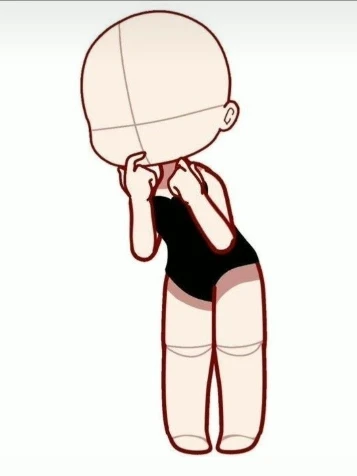
If you spend time in the Gacha Life or Gacha Club community, you have probably come across the term gacha body base more than once. Whether you are a beginner trying to design your first original character or a seasoned artist putting together a full character sheet, body bases are the starting point for almost everything. This guide breaks down what they are, the different types available, how to use them, and how to find the best free resources out there.
The Gacha community has grown massively over the past few years. Tools like Gacha Life, Gacha Club, Gacha Nox, and the newer Gacha Life 2 have given millions of players a creative space to build characters, tell stories, and produce short animations. The body base sits right at the heart of all that creativity.
What Is a Gacha Body Base?
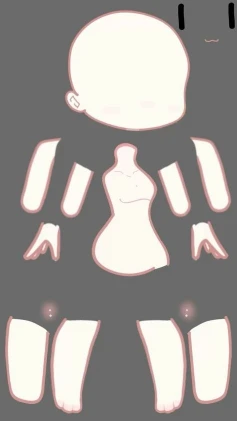
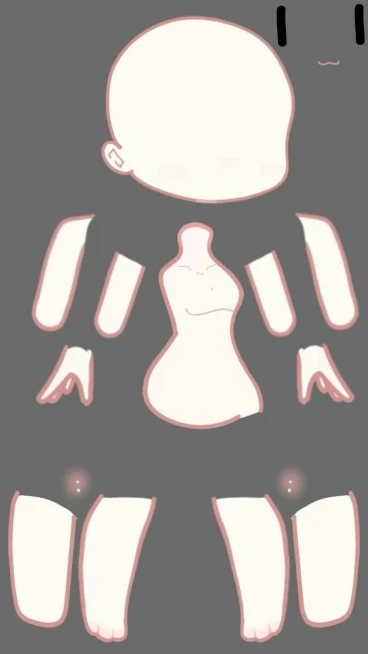
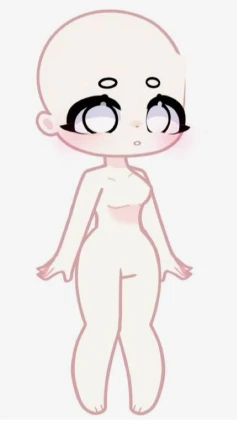
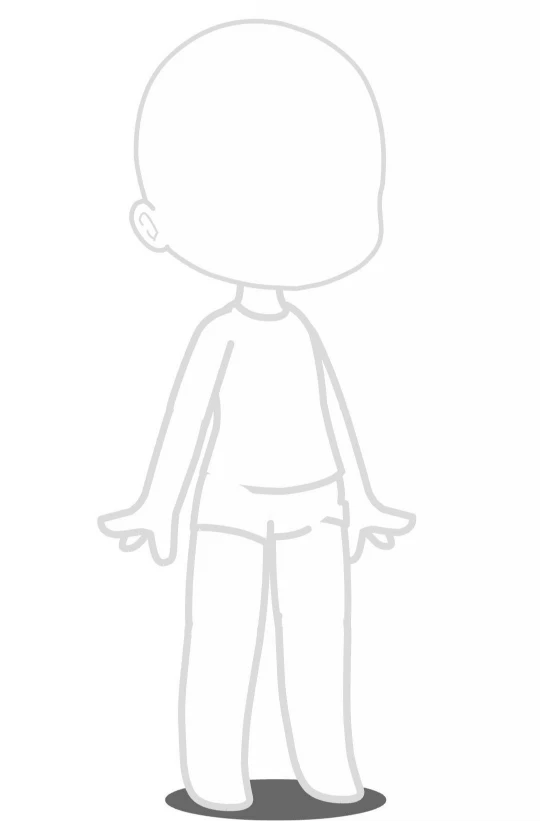
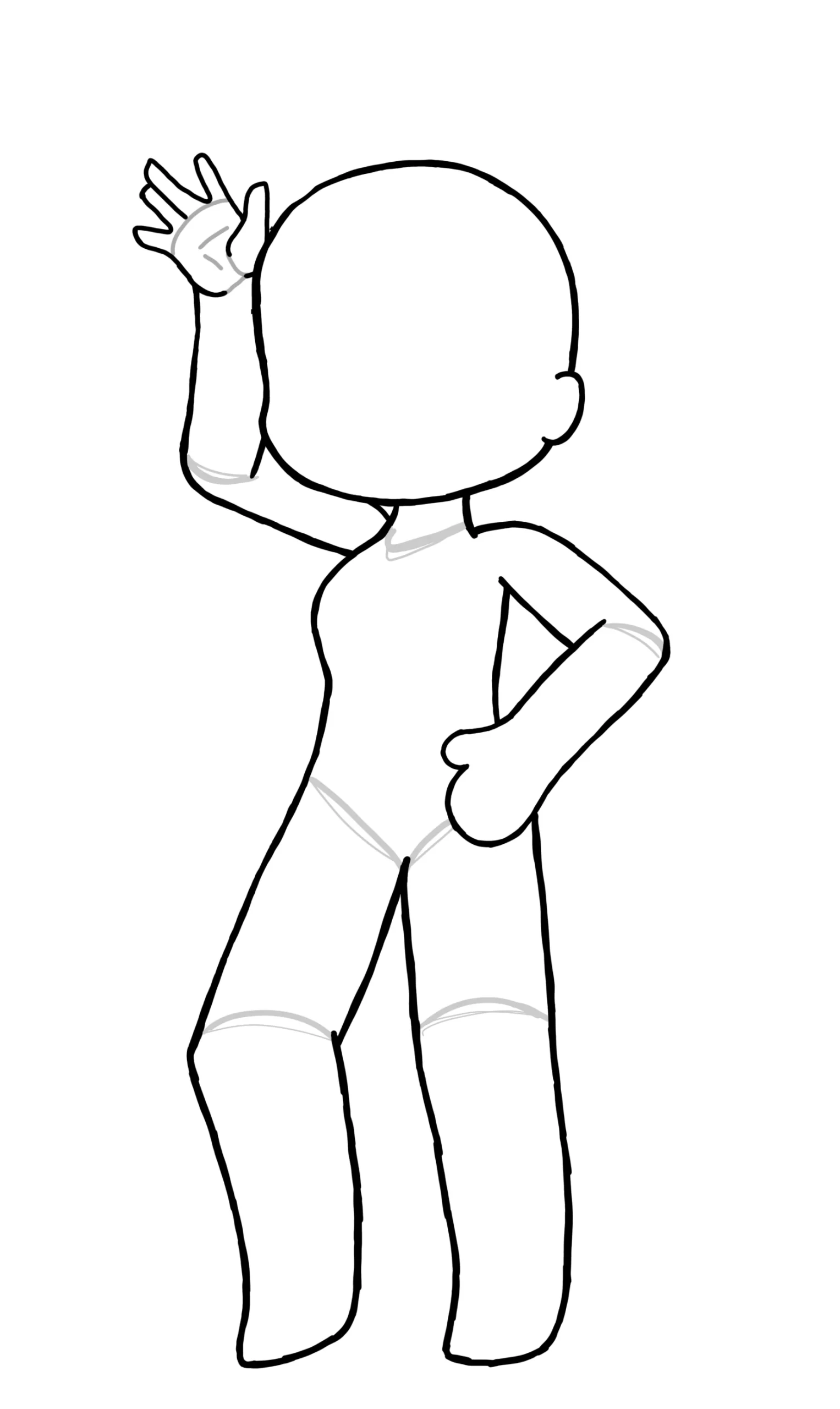
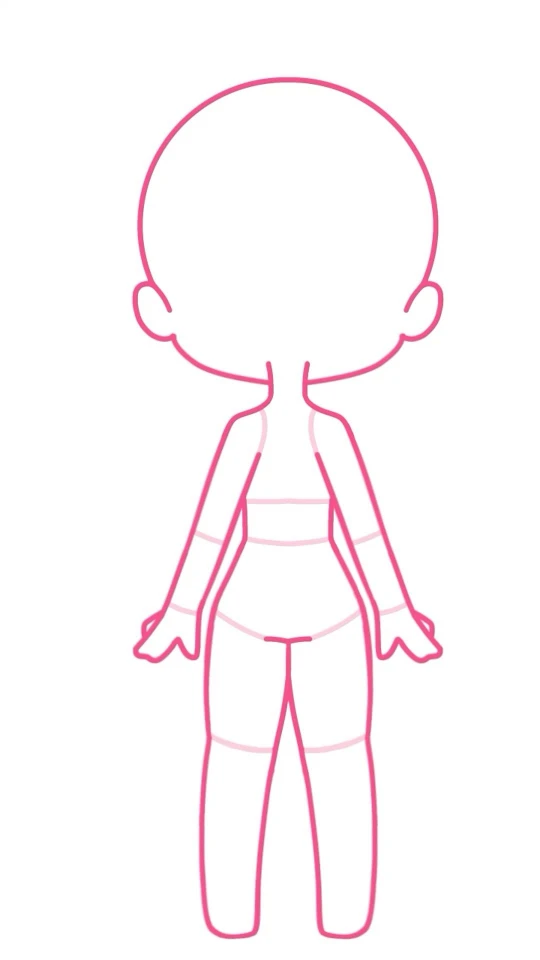
A gacha body base is a blank outline or silhouette of a character drawn in the style of the Gacha games. Think of it as a mannequin. The proportions, pose, and overall shape are already drawn — you or another artist just layers clothing, hair, accessories, and facial features on top of it.
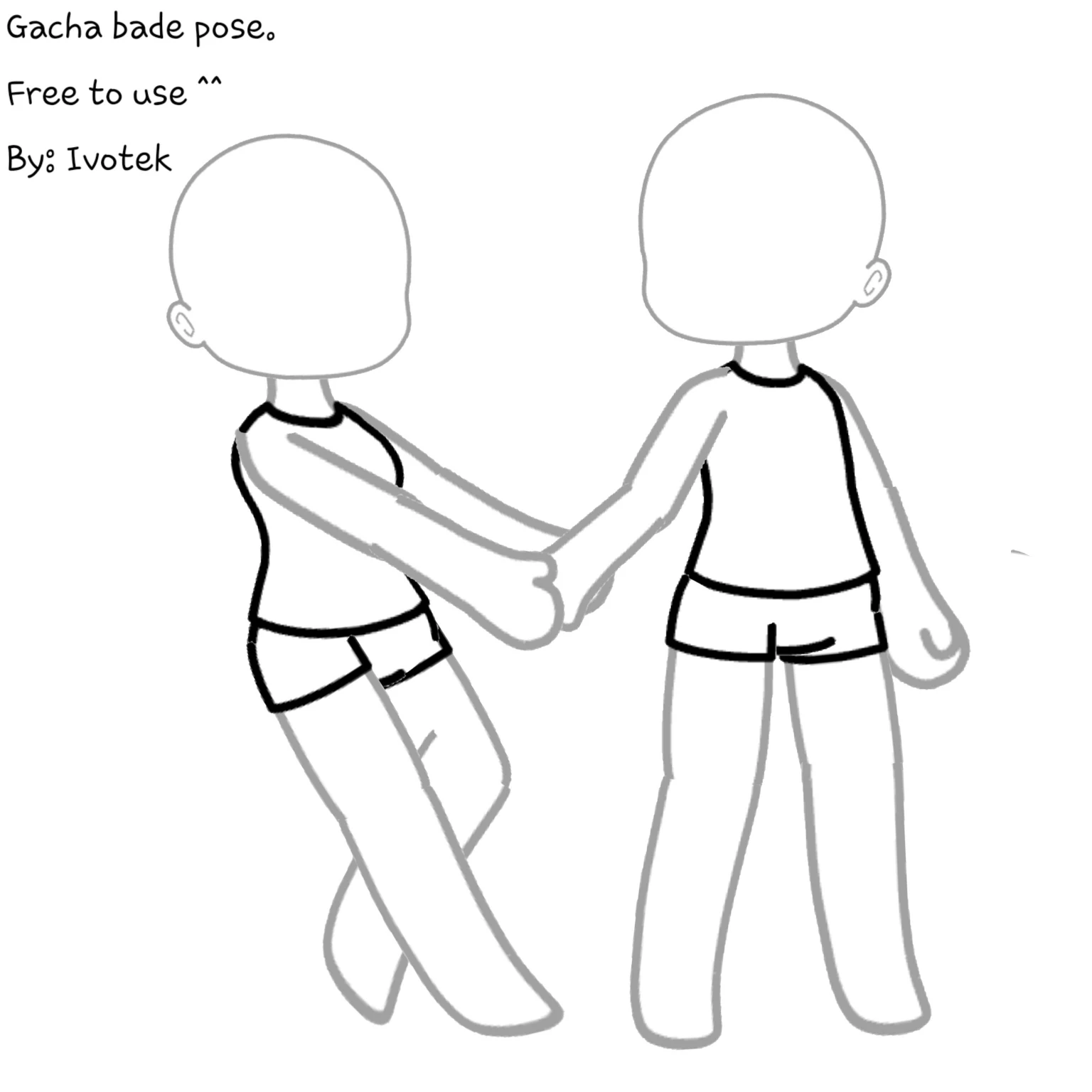
Body bases are widely shared across platforms like Pinterest, DeviantArt, TikTok, and Discord. Many artists mark them as F2U — Free to Use — meaning anyone can trace, edit, or build on top of them as long as they give credit to the original creator.
They are particularly useful for people who are still learning to draw the signature Gacha art style, which features large eyes, chibi-like proportions, and simple clothing shapes. Starting from a solid base removes the need to nail anatomy from scratch every single time.
Why Artists Use Body Bases in Gacha Art
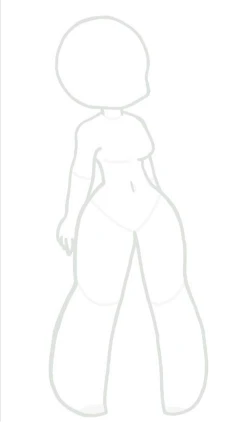
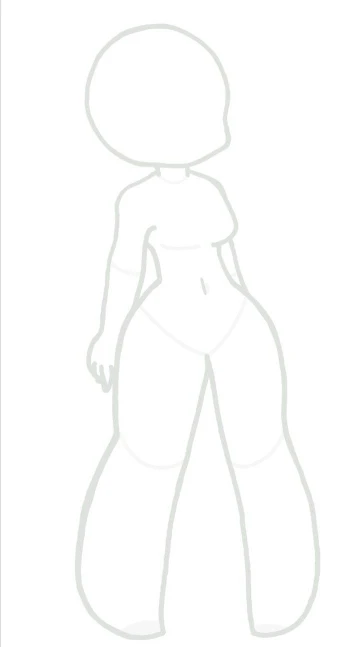
The reason body bases are so popular in the Gacha community comes down to a few practical things. First, Gacha art has a specific visual language — proportions are stylized, not realistic. Getting those proportions right consistently takes practice. A base gives you a reliable foundation so your focus stays on the fun parts: designing clothes, picking colors, and building a personality through accessories.
Second, body bases speed up workflow dramatically. If you are making a body sheet for an OC (original character), you might need the same character drawn in five or six different outfits. Redrawing the full body each time is tedious. A clean base lets you work in layers and swap looks without starting over.
Third, for people working on Gacha animations or edits, having a consistent body structure across frames keeps the character recognizable and the animation smooth.
Types of Gacha Body Bases
Not every gacha body base looks the same. There is a wide variety depending on pose, body type, gender presentation, and intended use. Here is a breakdown of the main categories you will encounter.
Standing Body Base
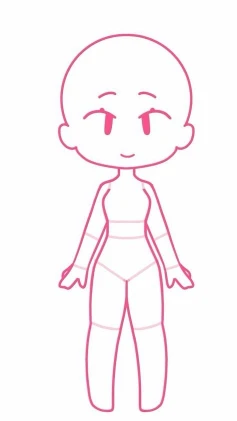
The most common type. The character stands upright, usually facing forward or at a slight angle. These are perfect for full character reveals, outfit showcases, and OC introduction posts. Most body sheet templates are built around a front-facing standing pose because it shows the complete design clearly.
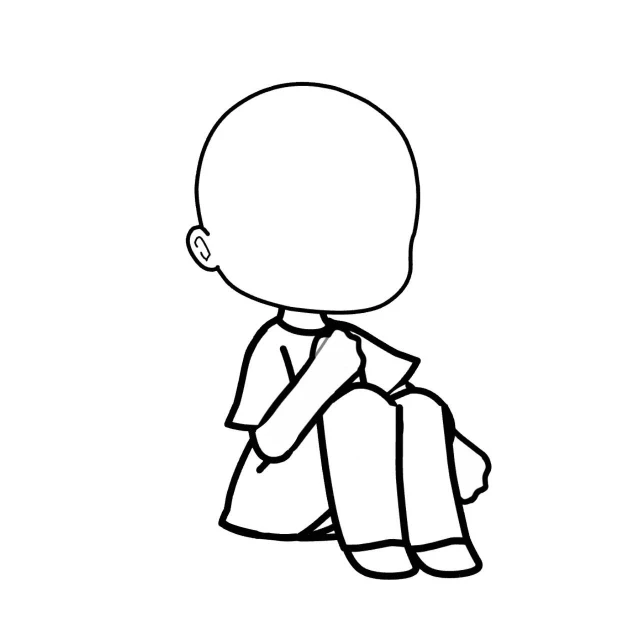
Sitting and Relaxed Pose Bases
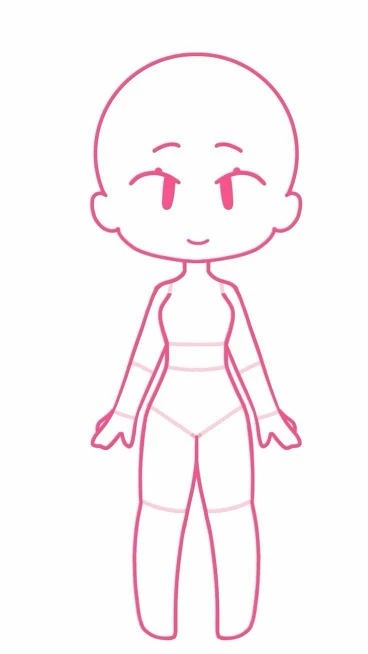
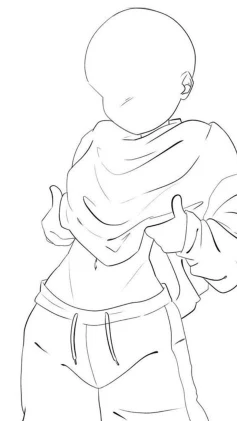
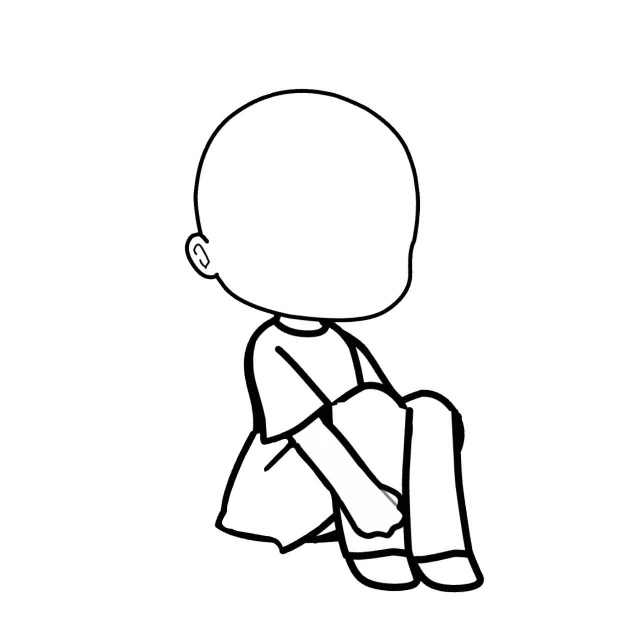
Sitting bases are popular for story scenes, comic panels, and slice-of-life edits. A character sitting on a bench, floor, or chair feels more natural and approachable than one always standing at attention. These bases tend to be a bit trickier to find in good quality, which makes them especially valuable when you do come across a solid one.
Action and Combat Pose Bases
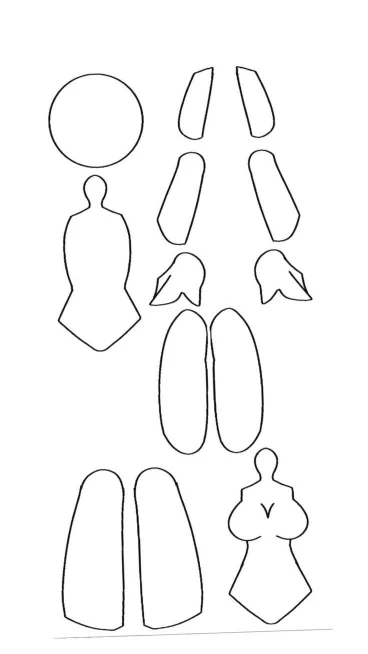
Action bases show characters mid-movement — running, jumping, fighting, casting magic, or flying. These are heavily used in Gacha mini-movies and drama edits. The dynamic angle makes scenes look more cinematic and the character feel alive rather than static.
Couple and Two-Person Bases
Two-person bases are a favorite for shipping edits and friendship content. They show two characters interacting — hugging, holding hands, back-to-back, or simply standing close together. The proportions are matched so both characters look like they exist in the same space rather than being awkwardly scaled.
Male and Female Body Bases
While Gacha games let you design characters freely regardless of gender labels, most body bases are distributed with separate male and female proportions. Female bases tend to have slightly rounder features, narrower shoulders, and wider hip lines. Male bases usually feature broader shoulders and a taller, more angular silhouette. Many artists also create androgynous or non-binary bases that sit between the two.
Body Sheet Bases
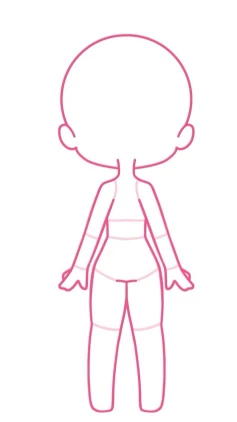
A body sheet base is a collection layout — usually showing a character from the front, side, and back, sometimes with close-ups of the face and hands. These are used when creating a complete OC profile or reference sheet that other people can use to draw the character accurately.
Gacha Body Base Across Different Games
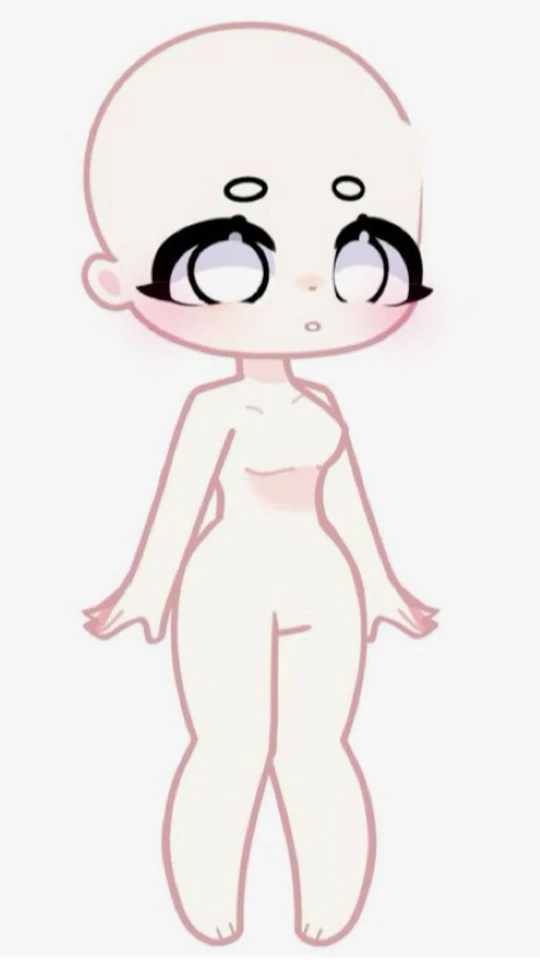
Each game in the Gacha series has a slightly different art style, and body bases reflect those differences.
Gacha Life was the original breakout title from Lunime. Characters have a simpler, rounder look, and body bases for this game reflect that cleaner style. These are often the easiest for beginners to work with.
Gacha Club introduced more detailed character customization, including accessories, expressions, and pet companions. Body bases for Gacha Club often include extra elements like wing slots or tail positions because the game supports those features.
Gacha Nox is a fan-modified version of Gacha Club with an expanded selection of assets. Body bases designed specifically for Gacha Nox tend to have slightly different proportions and allow for more detailed clothing designs.
Gacha Life 2 is the most recent release from Lunime and brings updated visuals and animation systems. The art style is slightly more polished than its predecessors, and body bases for GL2 are still being developed actively by the community.
How to Use a Gacha Body Base
Most people use apps like Ibis Paint X, MediBang Paint, or PicsArt to work with body bases on mobile. On desktop, Clip Studio Paint and Krita are popular choices. The workflow is usually straightforward:
- Import the body base as a base layer or background layer in your drawing app.
- Lower the opacity of the base layer slightly so you can see your new linework on top.
- Create a new layer above the base and draw or trace the clothing, hair, and accessories.
- Once your design is complete, hide or delete the original base layer.
- Add color fills, shading, and any background elements on separate layers.
If you are editing rather than drawing from scratch, many creators import the base directly into CapCut or Alight Motion for animation work. Tweening — a technique where the character appears to move smoothly between two frames — is a popular style in Gacha edits and relies heavily on clean base templates.
How to Make Your Own Gacha Body Base
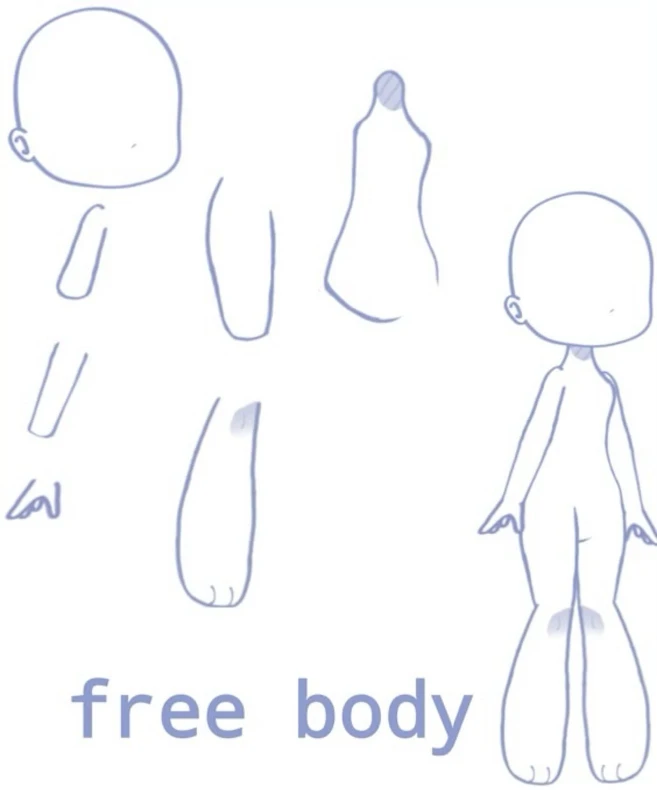
Making your own gacha body base is worth the effort if you want a unique look that stands out from the hundreds of community-shared ones. Here are the basics to keep in mind:
- Study the style first. Spend time looking at Gacha character proportions — large head relative to body, big expressive eyes, compact torso, and simplified limbs.
- Start with a skeleton sketch. Use simple lines and circles to map out where joints sit before committing to outlines.
- Keep linework clean. Body bases are meant to be layered over, so crisp, uncluttered lines make the process much easier for whoever uses it.
- Export on a transparent background. PNG format with a transparent background is the standard for sharing body bases so others can drop them into any project.
- Make multiple poses from the same character. Once you have the proportions nailed, building several pose variations from the same base saves time and keeps your OC’s look consistent.
Where to Find Free Gacha Body Bases
The best places to look for free gacha body base resources are:
- Pinterest – Massive visual library. Search terms like “gacha body base free”, “gacha club body sheet F2U”, or “gacha life pose base” return thousands of results.
- DeviantArt – Artists post F2U and F2E bases with download links. Quality is generally high and credit requirements are clearly stated.
- TikTok – Hashtags like #freebodybase and #gachabodysheet lead to creators who share their work publicly, sometimes with Google Drive links in the bio.
- YouTube – Many artists post body base packs with download links in the video description. Search “gacha body base free download” for current results.
- Discord – Gacha fan servers almost always have a free resources channel where community members share bases, props, and backgrounds regularly.
When downloading any base, always check the creator’s terms. Some bases are fine for personal use but not for posting edits publicly. Others require a credit tag in the caption or description. Respecting those terms keeps the community healthy and encourages artists to keep sharing.
Tips for Getting the Most Out of a Gacha Body Base
A good gacha body base is only part of the picture. How you work with it matters just as much. A few things that make a real difference:
- Match the base style to the game you are designing for. A Gacha Club base used for a Gacha Nox OC might look slightly off proportionally.
- Use multiple bases from the same artist to keep your character consistent across scenes.
- Save a clean copy of every base you use before editing so you can go back to it later.
- When sharing your work, credit the base creator even if the final result looks completely different from the original.
- If you are animating, stick to one base per character across all frames. Mixing different artists’ bases mid-animation creates jarring proportion shifts.
Final Thoughts
The gacha body base is one of the most useful tools in the Gacha creative community. Whether you are sketching out a new OC, building a full character sheet, or setting up an animation edit, having access to solid, well-proportioned base templates makes the whole process faster and more enjoyable.
The community around these resources is genuinely generous — thousands of artists share their work for free with nothing more than a credit request in return. Take advantage of that, respect the terms attached to each base, and you will have everything you need to bring your Gacha characters to life exactly the way you imagine them.